
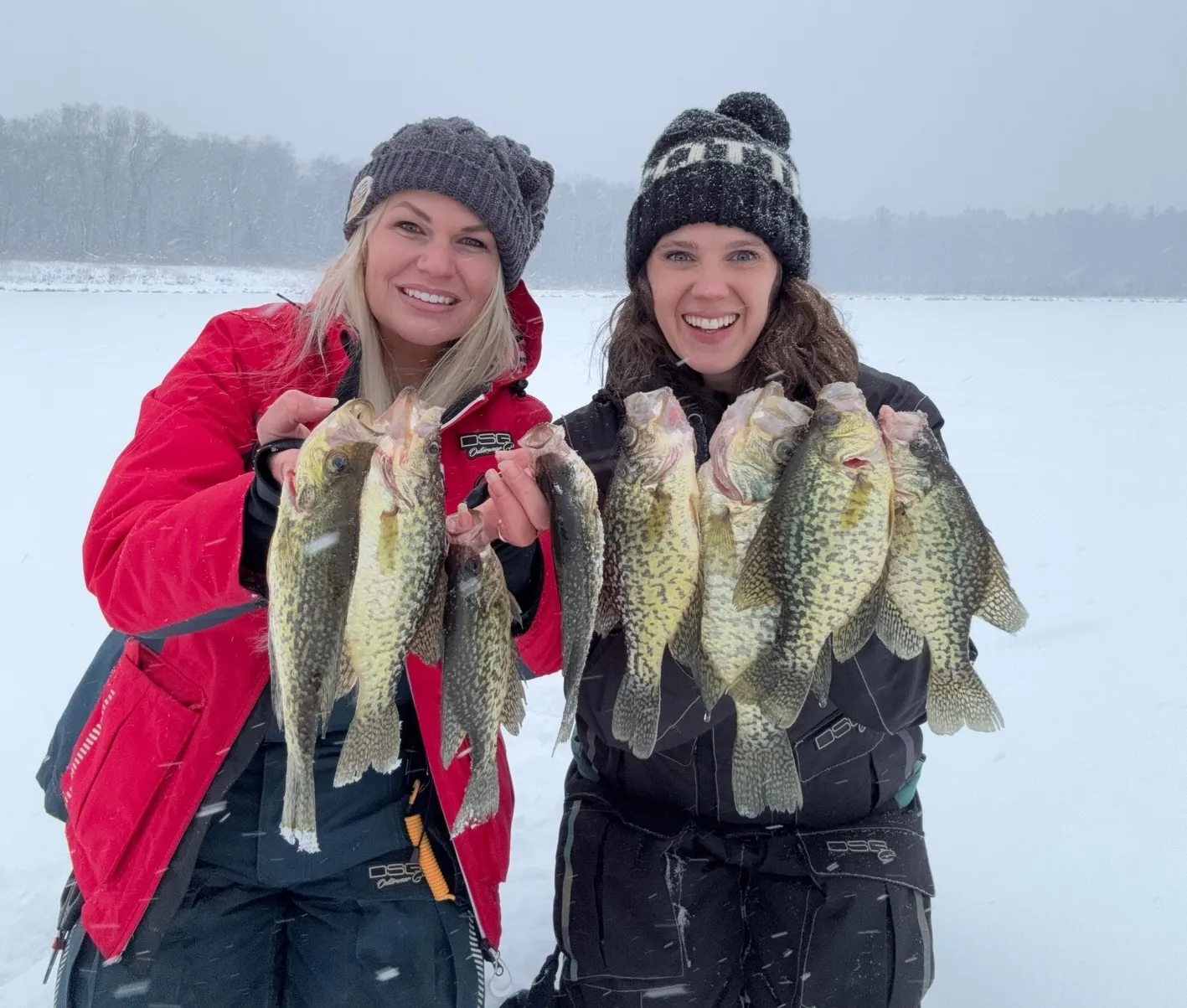
Where to find crappie under the ice
Crappie follow the same path every year: out of the summer weeds, onto the breaks in early fall, and out over the deep basins as the water cools. By first ice, most of the big schools are sitting over that deep water. If you marked basins from the boat in late fall, you’ll be drilling on fish instead of searching for them. (Here’s how I find them in the fall.)
During midwinter, crappie often suspend in deep water feeding on zooplankton. That’s why a flasher or live sonar is so valuable — you’re looking for marks off the bottom, not just on it. Some fish stay in the weeds all winter, too, especially early in the season.
Pick the right lake before you hit the ice
Big lakes hold impressive fish, but they’re the toughest to break down — especially if you’re newer to ice fishing. Smaller lakes with one large basin can be a game-changer: with limited space and structure, there are only so many places crappie can hide.
- Narrow it down on a map. Google Maps, LakeFinder, onX Fish, Navionics or LakeMaster will show you small, deep lakes worth a look.
- Confirm there are crappie. Plenty of small lakes don’t hold them. Check survey reports (even older ones help), stocking reports or local forums. Minnesota’s LakeFinder is free.
- Check the access. Some lakes are public, some are walk-in only, some are private. Figure it out before you drive.
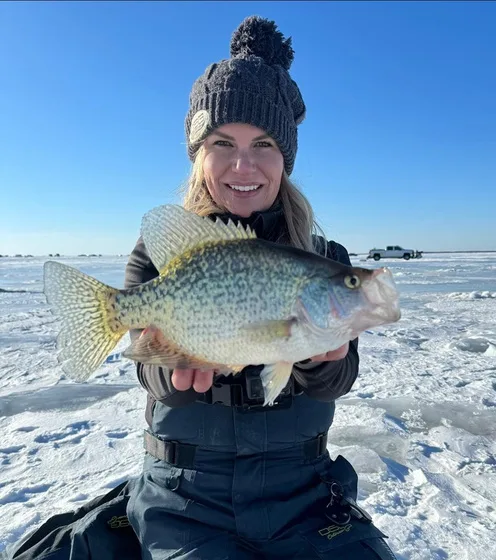
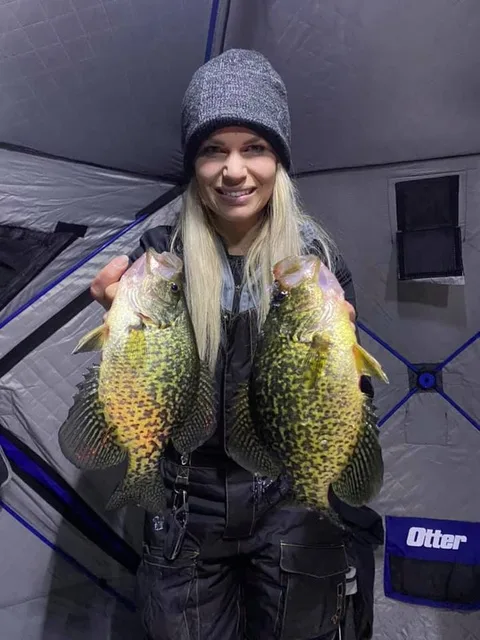
Gear for ice fishing crappie
When it comes to crappie, gear matters — and in most cases the lighter the better. Unless you have a spot dialed in, you’ll be moving a lot, so pack light and fish light.
| Gear | What I use |
|---|---|
| Rod | Light or ultra-light — I love the St. Croix Panfish Series Pan Dancer |
| Reel | Piscifun Viper X 500 (code NICOLE20 at piscifun.com) |
| Line | 6 lb monofilament, or 6 lb braid with a fluorocarbon leader |
| Terminal | Miniature barrel swivels to eliminate line twist |
| Jigs & plastics | Mo’ Glo Jig and Bobby Garland Mini Mayfly — two of my go-to producers (code NICOLE15 at lurenet.com) |
| Live bait | Crappie minnows and/or wax worms — never a bad idea to have some on hand |
| Essentials | Auger, flasher or live sonar, shelter — but keep it light when you’re searching |
Ladies: DSG Outerwear makes the warmest ice suits I’ve fished in — code NICOLE saves 15%. Here’s why I wear DSG.
6 tips for ice fishing crappie
Mix and match based on conditions — flash and action when fish are active, small tungsten and subtle profiles when they get lockjaw. Understanding what crappie are feeding on is key to picking the right presentation.
1. Match the midwinter zooplankton bite
Midwinter crappie often suspend in deep water feeding on zooplankton. If you’re marking fish in the basin but they won’t commit, downsize your jig and slow down — they’re likely keyed in on micro-organisms, not minnows.
2. Let the fish tell you the speed
If crappie track your bait without committing, your jigging is usually too fast. Slow your presentation and add subtle pulses — neutral fish respond better to finesse.
3. Let your line tell the story
Watch for subtle twitches or sideways movement before you feel the bite. Crappie often inhale a jig so gently that the line moves before your rod does.
4. Master the slow raise
A gradual lift mimics fleeing prey and positions the hook upward as crappie strike from below — cleaner hooksets in that paper-thin mouth.
5. Use the low-light advantage
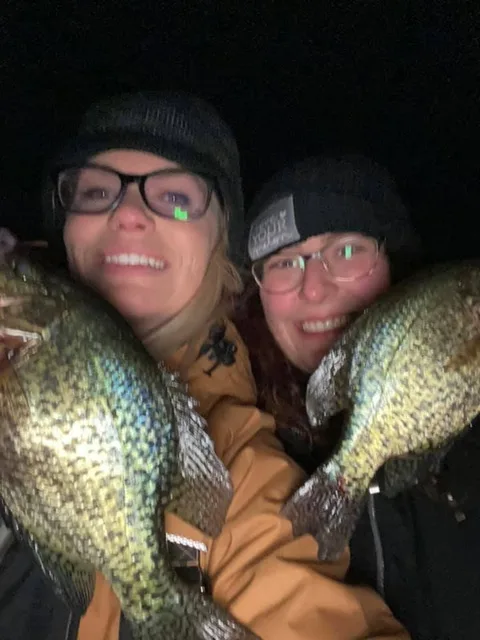
Dawn, dusk and overcast days are prime time. Low light triggers aggressive feeding as crappie chase zooplankton and baitfish, and the night bite can be especially good in deep basins.
6. Play the spoon-and-jig combo
Drop a flashy spoon to call fish in from a distance, then switch to a finesse jig once they show up on your graph. Let the spoon do the advertising — close the deal with something subtle.
Top 10 crappie lures for ice fishing
Ten proven producers that belong in every ice angler’s box. Lindy, Bobby Garland and Crappie Pro are 15% off + free shipping over $35 at lurenet.com with NICOLE15.
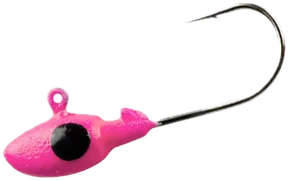
Crappie Pro Mo’ Glo Jig
My secret weapon for trophy crappie — we’re talking 16”+ slabs. The slightly larger profile and slow fall rate keep it in the strike zone longer, the wide-gap hook improves hookups on subtle bites, and the glow is a game-changer in low light and deep basins. Sometimes you need to go bigger to catch bigger.
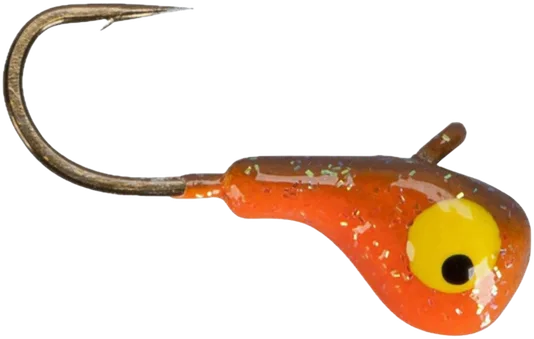
Lindy Tungsten Toad
My go-to tungsten for all panfish through the ice. Large side profile for bottom pounding and visibility in weeds and deep water; dense tungsten sinks faster and transmits every nibble with no lag in the line.
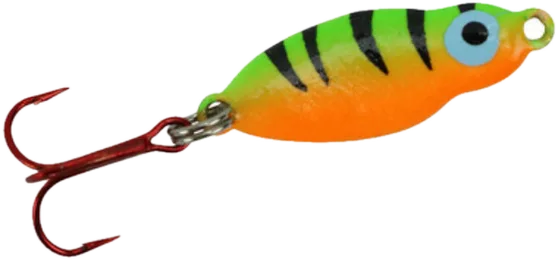
Lindy Frostee Spoon
My buddy Ana on Ice got me hooked on this one years ago. The erratic fall and flash call fish in from a distance, then you can deadstick it for followers that need convincing. A finesse spoon that punches above its weight class.
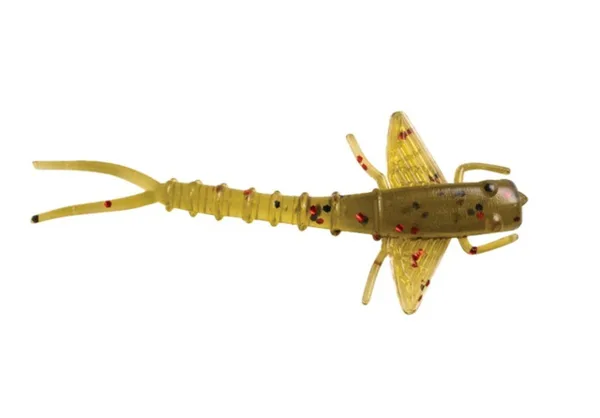
Bobby Garland Itty Bitty Mayfly
One of my favorite open-water plastics, sized down for ice. Deadly when crappie are keyed in on bugs — lifelike movement with minimal rod action. Pairs perfectly with a Mo’ Glo for a killer glow combo.
Eurotackle Strider Fly Jig
A 1/32 oz tungsten bead with an ostrich hair collar and rubber legs that come alive with the slightest twitch. When pressured crappie have seen every plastic in the book, this fly pattern fools them.
VMC Tungsten Bullfly
Mimics the zooplankton crappie eat when they suspend in deep basins midwinter. Feather tail and wings flow naturally, the tungsten head drops fast, and the Ultra Glow colors hold a charge for deep, low-light fishing.
VMC Tungsten Tubby Jig
Compact profile, serious attitude — the chunky body pushes water with minimal movement. I love it as a deadstick in a second hole while I work something more aggressive nearby.
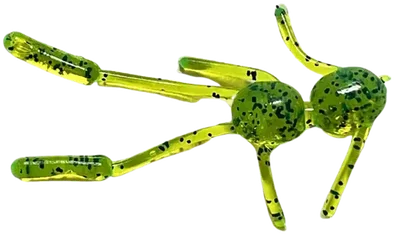
Freedom Baitz Apache
A two-part body with six quivering legs that looks like a bug or small grub. Fish it as-is on an active bite, or trim legs and balls for a finesse presentation. Thread it on a small tungsten jig.
Freedom Baitz Hellcat
A solid body with eight free-flowing tentacles that trigger bites from neutral fish with minimal movement. Break it down for a smaller profile or fish it whole when they’re aggressive.
Eurotackle Gamma Fly
A hand-tied 1/32 oz tungsten scud fly that brings freshwater shrimp to life. Deadly when fish are keyed in on crustaceans and invertebrates, with glow finishes for deep or murky water.
Watch: How I Find & Catch Midwinter Crappie
Frequently asked questions
Where do crappie go in the winter?
Most crappie spend the winter over the deepest basins in the lake — often the same basins they moved to in late fall. In midwinter they frequently suspend in that deep water feeding on zooplankton. Some fish stay in the weeds all winter, especially at first ice.
What is the best lure for ice fishing crappie?
My secret weapon for trophy crappie through the ice is the Crappie Pro Mo’ Glo jig — its slow fall and glow keep it in the strike zone longer. For tough midwinter bites I switch to small tungsten like the Lindy Tungsten Toad or a VMC Tungsten Bullfly, and I use a flashy Lindy Frostee spoon to call fish in from a distance.
What time of day is best for ice fishing crappie?
Dawn, dusk and overcast days are prime time — low light triggers aggressive feeding as crappie chase zooplankton and baitfish. The night bite can be especially good in deep basins.
Why are crappie following my jig but not biting?
If crappie track your bait without committing, your jigging is usually too fast. Slow down, add subtle pulses, and downsize your jig. In midwinter, fish that won’t commit are often keyed in on zooplankton rather than minnows, so tiny, subtle presentations work best.
What line should I use for ice fishing crappie?
I use 6 lb monofilament, or a 6 lb braid with a fluorocarbon leader, on a light or ultra-light rod. Light line and light gear make a big difference for crappie.